Products
Host Cell Residue Detection
Process Impurity Assay
Advnetitious Agent/Microorganism Testing
Pyrogen / Endotoxin Detection
Genetic Stability
Cell Line Characterization
Viral Titer Assay
Detection Equipment
Biochemical Reagents

ICH Q5A (R2) promotes the application of NGS in adventitious agent testing. Untargeted NGS can replace in vivo testing assays to perform broad-spectrum virus detection for unknown or unexpected viral species without head-to-head comparative studies. It can also supplement or substitute in vitro cell culture assays for identifying known, unknown or unexpected viruses. In addition, NGS is capable of detecting known viruses and can replace HAP, MAP, RAP assays and other virus-specific PCR tests.
European Pharmacopoeia Chapter 2.6.41 elaborates comprehensively on the key methodological points for applying NGS to adventitious virus testing of biological products.
The 2025 edition of the Chinese Pharmacopoeia specifies that NGS is applicable to broad-spectrum and target-specific virus testing. Based on risk assessment outcomes, broad-spectrum NGS can be used to replace in vivo testing, or supplement/replace in vitro testing (e.g., scenarios lacking virus-susceptible cell lines, or samples with interfering/toxic effects on detection). Appropriate reference materials shall be utilized for the validation or verification of NGS methods. Validation or verification shall support the intended use of the method: when deployed as a replacement method, full method validation plus sample applicability confirmation is required; when deployed as a supplementary method, method verification plus sample applicability confirmation is required. Method validation parameters shall at minimum include specificity, viral detection range and sensitivity, with predefined acceptance criteria.
Core NGS Platform for Adventitious Virus Testing
Contamination of biological products with adventitious viruses is a critical biosafety evaluation concern for pharmaceutical manufacturers and regulatory authorities. Adventitious viruses may contaminate biomanufacturing systems and pose severe risks to final products if undetected.
Next-Generation Sequencing (NGS) enables simultaneous detection of both known and unknown viruses. NGS-based adventitious agent testing delivers sensitive, unbiased detection of viral contamination across all sample matrices, ranging from raw materials and cell banks to finished products.
HZSKBIO® provides NGS testing and viral genomics solutions, delivering high-quality regulatory-compliant services for pharmaceutical and biotechnology enterprises.
Compliant with dual quality management systems: ISO 13485 and CNAS accreditation
End-to-end process validation and QC quality control, with validation strategies and testing performance aligned with international standards
Proprietary pharmacopoeia-compliant viral database and validated bioinformatic analysis pipeline
Internationally standardized NGS virus reference materials covering diverse viral taxa to support regulatory-compliant method validation
Extensive sample processing expertise for testing raw materials, bulk drug substances, Master Cell Banks (MCBs), Working Cell Banks (WCBs), viral seeds, etc., accelerating R&D and commercialization timelines
Reference Materials and End-to-End Regulatory Compliance to Mitigate Adventitious Virus Testing Risks
GMP-Grade NGS Virus Reference Materials
ICH Q5A(R2) stipulates that when NGS is used to replace or supplement traditional testing methods, appropriate standards or reference materials must be employed for analytical characterization and method validation to assess the performance of all testing workflow steps.
The U.S. FDA and its industry partners conducted a collaborative study titled A Collaborative Study to Evaluate the Proposed First WHO International Reference Panel for Adventitious Virus Detection in Biological Products by High-throughput Sequencing (HTS) Technologies. The study evaluated seven reference viruses as an international viral standard panel for NGS-based adventitious virus testing of biological products, with the goal of establishing a global standard for HTS viral detection.
Drawing on its in-house adventitious agent production platform and referencing international standards, HZSKBIO® has developed a virus reference panel fully compliant with biological product quality control requirements (Table 1).
Table 1. HZSKBIO® NGS Virus Reference Panel
Virues | Genome type | Genome size | Particle size | Envelope | Chemical resistance |
REO | Seg ds-RNA | 23.6 kb | 80 nm | non-Env | Medium-high |
MLV | Linear(+) ss-RNA (dimeric); RT | 8 kb | 90 nm | Env | Low |
VSV | (-)ss-RNA | 11 kb | 200 nm | Env | Low-medium |
PCV | Cir-ss-DNA | 1.8 kb | 16-18 nm | non-Env | High |
EBV | Linear ds-DNA | 172 kb | 122-180 nm | Env | Low-medium |
BVDV | Linear(+) ss-RNA | 125 kb | 40-60 nm | Env | Low |
MVM | Linear ss-DNA | 5.1 kb | 26 nm | non-Env | Medium-high |
GMP-Grade NGS Testing Workflow
Leveraging years of expertise in biological product quality control, HZSKBIO® has established a fully validated NGS testing workflow aligned with ICH Q5A(R2), European Pharmacopoeia, Chinese Pharmacopoeia and other relevant regulatory guidelines. End-to-end quality controls are integrated to meet GMP testing specifications and guarantee accurate, reliable test results.
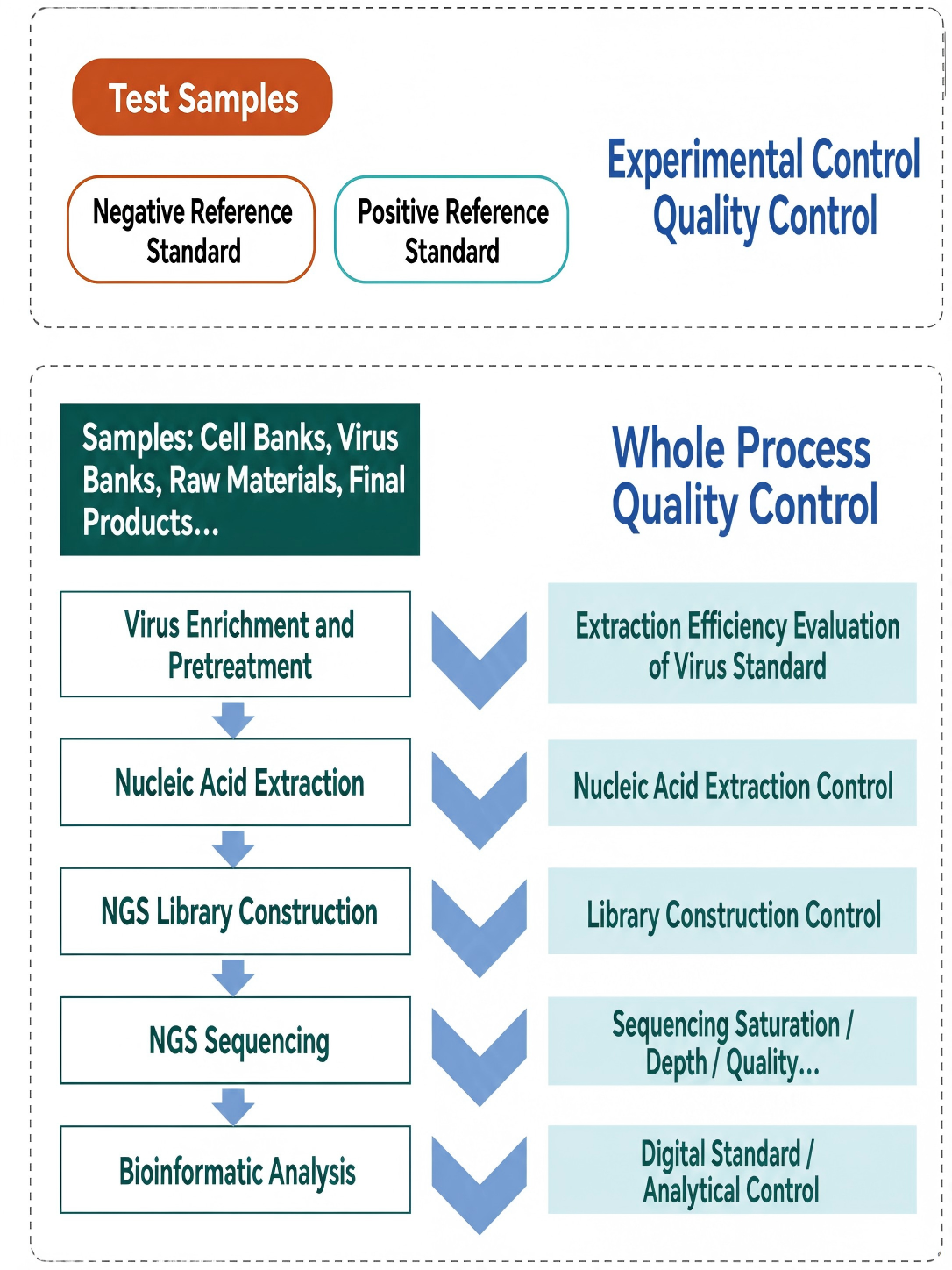
Figure 1: HZSKBIO® GMP-Grade NGS Testing Workflow and Quality Control Framework
End-to-End NGS Workflow Quality Control
The latest European Pharmacopoeia Chapter 2.6.41 provides guidance on validating high-throughput sequencing for adventitious agent testing, covering the full workflow: sample pre-processing, nucleic acid extraction, library preparation and sequencing. It mandates the use of reference materials for method validation, evaluation of NGS performance characteristics, and product-specific validation.
Adhering to rigorous quality control systems and referencing domestic and international regulatory guidelines, HZSKBIO® has implemented comprehensive QC and validation protocols across the entire NGS workflow (Figure 2), covering four core modules: viral standard extraction efficiency validation, host nucleic acid depletion efficiency validation, library construction quality control, digital reference standard analytical pipeline validation.
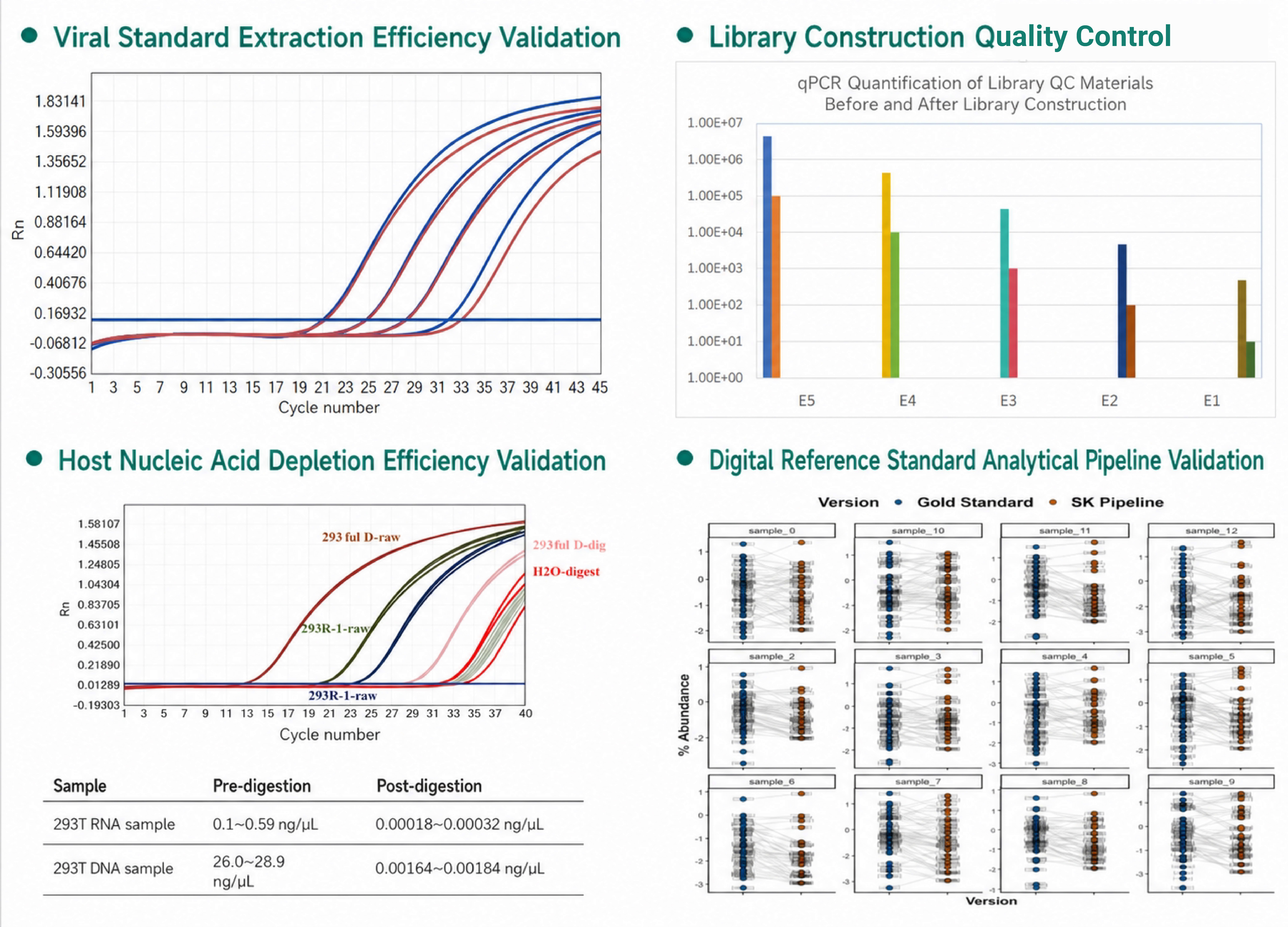
Figure 2. HZSKBIO® End-to-End NGS Workflow Validation Data
Validated Bioinformatic Analysis Pipeline
HZSKBIO® has independently developed proprietary digital reference standards for bioinformatic pipeline validation. The bioinformatic workflow consists of modular, on-demand functional blocks: raw data QC and host sequence depletion, taxonomic profiling, viral genome alignment, genome assembly, window-based segmentation and functional annotation.
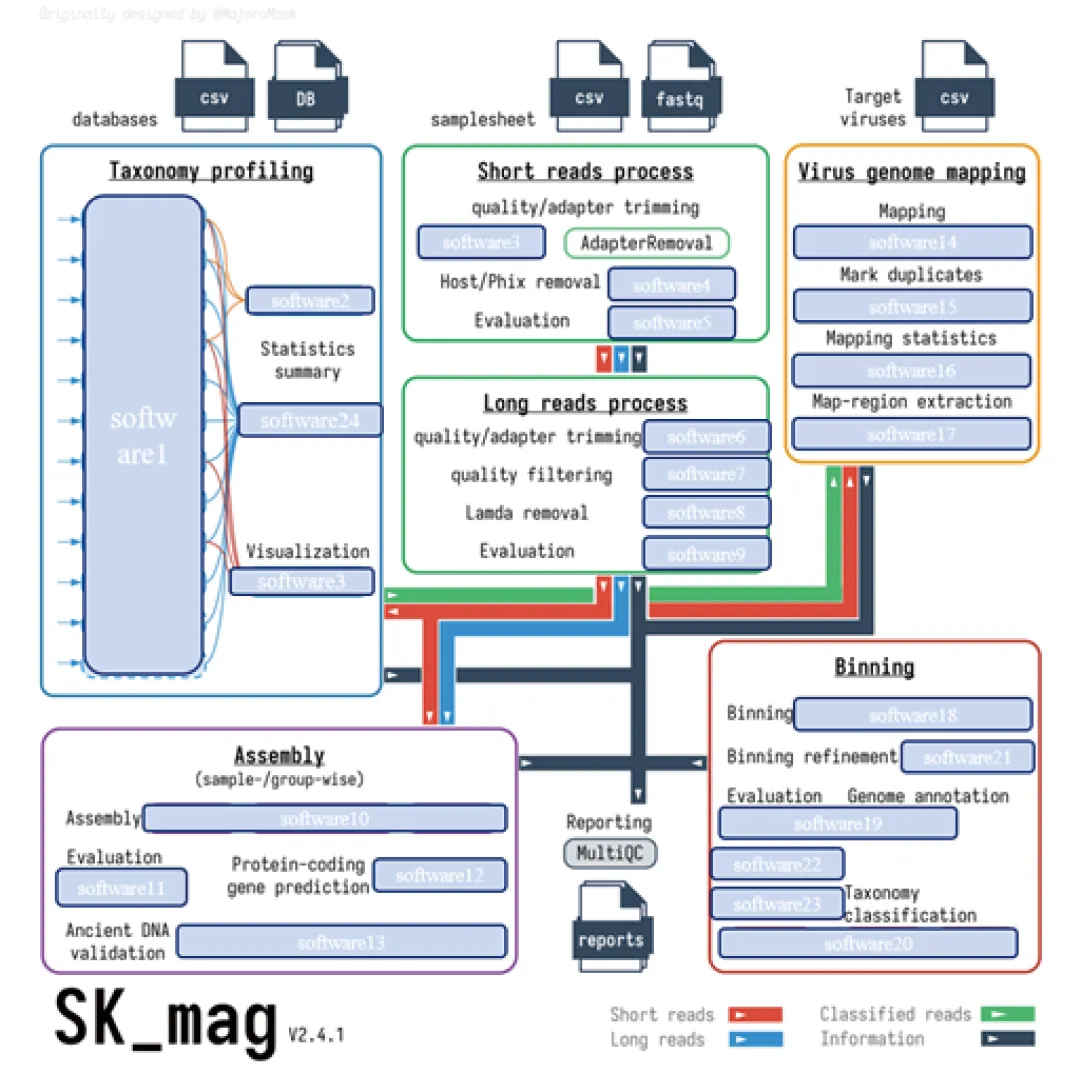
Figure 3: HZSKBIO® Bioinformatic Analysis Pipeline
Standardized NGS Total Solution: On-Site Deployment & Automated Analysis
To enable regulatory-compliant on-site NGS adventitious agent testing for biopharmaceutical quality control, HZSKBIO® has fully integrated nucleic acid extraction, library construction, high-throughput sequencing, bioinformatic analysis and automated report generation, with embedded validated process QC. The comprehensive on-site NGS solution includes instruments, test kits, dedicated analytical software and servers, enabling GMP-grade NGS testing and report generation without specialized bioinformatic personnel.
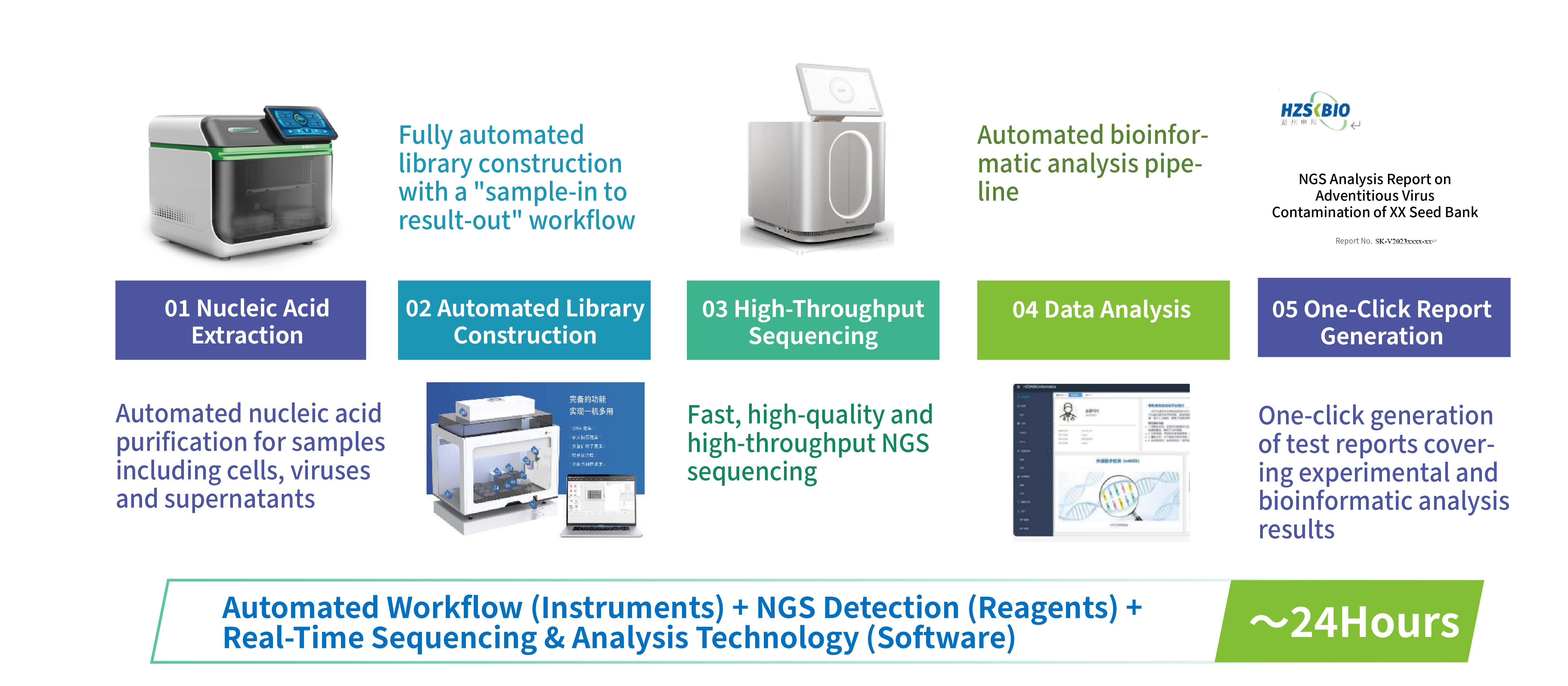
Figure 4: HZSKBIO® End-to-End On-Site NGS Integrated Solution
The HZSKBIO® informatics automation platform improves testing standardization and operational efficiency while drastically reducing human-induced analytical bias, ensuring stable, reproducible and traceable experimental data.
NGS Platform Service Portfolio of HZSKBIO®
Test Item | Scope of Services | Service Tier | Turnaround Time |
Adventitious Agent Testing | Cell banks, viral banks, gene therapy products, vaccines, raw materials, antibodies and other biological products | Research-grade | 20 working days |
Regulatory-compliant | 40 working days | ||
Cell/Viral Seed Full-Length Sequencing | Mutation detection and full-genome assembly of master/working seeds | Research-grade | 20 working days |
Regulatory-compliant | 40 working days | ||
Standalone Bioinformatic Analysis | Raw sequencing data processing and analytical interpretation | / | 14 working days |