Products
Host Cell Residue Detection
Process Impurity Assay
Advnetitious Agent/Microorganism Testing
Pyrogen / Endotoxin Detection
Genetic Stability
Cell Line Characterization
Viral Titer Assay
Detection Equipment
Biochemical Reagents

Starting July 1, 2025, the European Pharmacopoeia (Ph. Eur.) fully banned the Rabbit Pyrogen Test (RPT) and officially designated the Monocyte Activation Test (MAT) as the primary alternative method. This marks a major milestone for global pharmacopoeias in advancing animal test replacement approaches. Quality control testing for pharmaceuticals has been upgraded from a "black-box" test relying on animal physiological responses to a more precise in vitro assay built on well-defined molecular mechanisms.
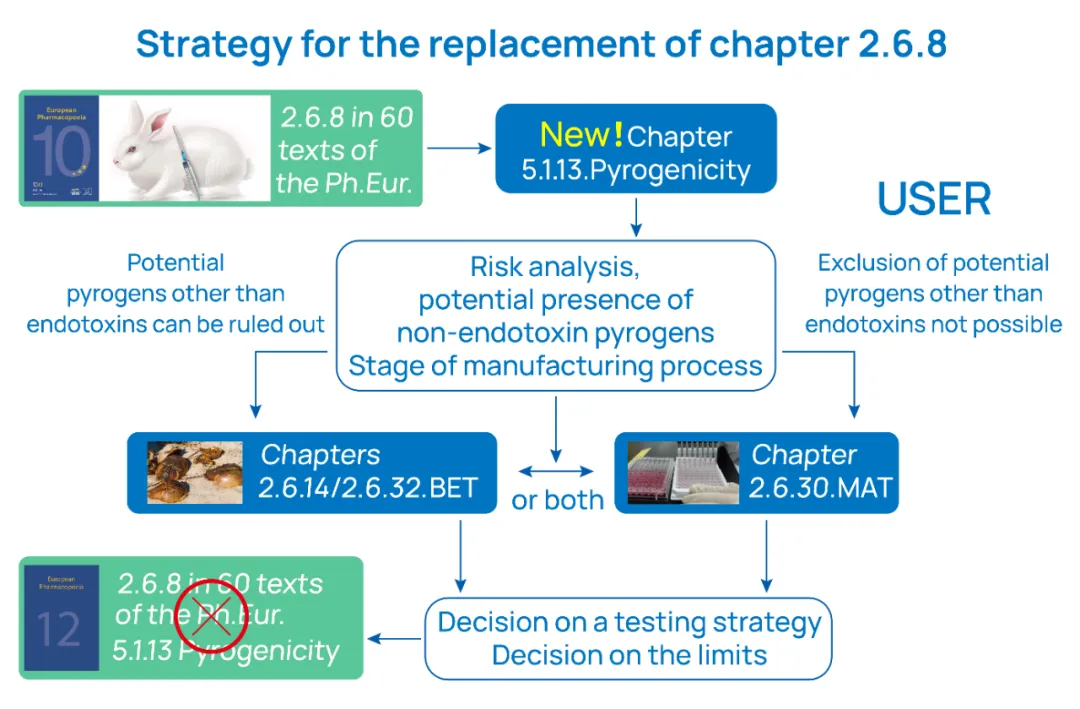
MAT Assay: Cellular Sentinel for Accurate Pyrogen Quantification
The core principle of the MAT assay utilizes human monocyte cell lines to mimic the human immune response to pyrogens. When pyrogens of any type are present in a sample, monocytes recognize diverse pyrogen species via Toll-like receptors on their cell surface and initiate an innate immune response, releasing pro-inflammatory cytokines (endogenous pyrogenic substances such as IL-6, IL-1 and TNF-α). The concentration of released cytokines is quantified and compared against a bacterial endotoxin calibration curve to calculate the equivalent concentration of pyrogen contaminants in the sample.
Compared with the RPT and Bacterial Endotoxin Test (BET), MAT delivers distinct advantages: it comprehensively identifies all categories of pyrogens to lower the risk of missed pyrogen detection, and establishes a direct correlation with pyrogens to reflect authentic pyrogen dose-response relationships.
01 Key Challenges of MAT Testing for Antibiotic Samples
Certain antibiotics interfere with cellular status, either suppressing immune responses to generate false-negative results or inducing non-specific cellular activation leading to false positives. Specialized handling of antibiotic samples is required to guarantee stable, reliable MAT testing outcomes.
Inhibitory Effects (Primary and High-Risk Interference Type) | Enhancing or Non-Specific Activation Effects (Relatively Rare) |
1. Direct cytotoxicity | 4. Non-specific cellular activation |
2. Suppression of cytokine synthesis and secretion | 5. Synergistic interaction with endotoxins |
3. Sequestration or neutralization of pyrogens | 6. Interference from pharmaceutical excipients |
Polymyxins B are polycationic amphipathic antibiotics consisting of a hydrophilic polypeptide ring and a hydrophobic fatty acid side chain. The abundant positively charged L-Dab groups within their molecular structure act like magnets, binding with high affinity to the negatively charged Lipid A domain of lipopolysaccharide (LPS), the endotoxin derived from Gram-negative bacteria. This interaction underlies their in vivo antibacterial activity; however, within in vitro MAT testing systems, it directly neutralizes the biological activity of endotoxins, preventing effective activation of human monocytes.
In spike recovery experiments, Polymyxin B exhibits potent inhibitory activity. Endotoxin signals within samples are strongly masked, producing false-negative results and severely compromising accurate risk assessment of pyrogen contamination via MAT.
02 PyroSHENTEK MAT Pyrogen Testing Solution: Standardized Test Kits + Innovative Pre-Treatment Optimization
The HZSKBIOⓇ MAT Pyrogen Detection Kit developed by Huzhou Shenke Biotechnology Co., Ltd. leverages monocyte cell lines to quantify human monocyte immune responses for detecting pyrogens in samples, including endotoxins and non-endotoxin pyrogens (pyrogenic bacteria, viruses, fungi that induce fever in humans). Its key features are outlined below:
⓵ In vitro testing using monocyte cell lines without human whole blood, eliminating ethical concerns.
⓶ Inter-laboratory validation conducted in collaboration with authoritative domestic institutions, demonstrating high consistency with traditional RPT results.
⓷ Comprehensive performance validation aligned with the Chinese Pharmacopoeia General Chapter 9012 and analytical method guidelines including ICH Q2.
⓸ Complete cell bank documentation for monocyte lines, authorized by international culture collection bodies, free of legal risks and suitable for global regulatory filings.
⓹ Manufacturing under ISO 13485 quality management systems to consistently produce high-quality cells via the following quality control workflows:
Cell viability and density testing to guarantee batch-to-batch cellular quality;
Safety testing (mycoplasma screening, sterility testing, endogenous and exogenous viral testing, etc.);
Stability studies to monitor cellular genetic integrity;
Functional testing (pyrogen reactivity, Toll-like receptor expression profiling, etc.).
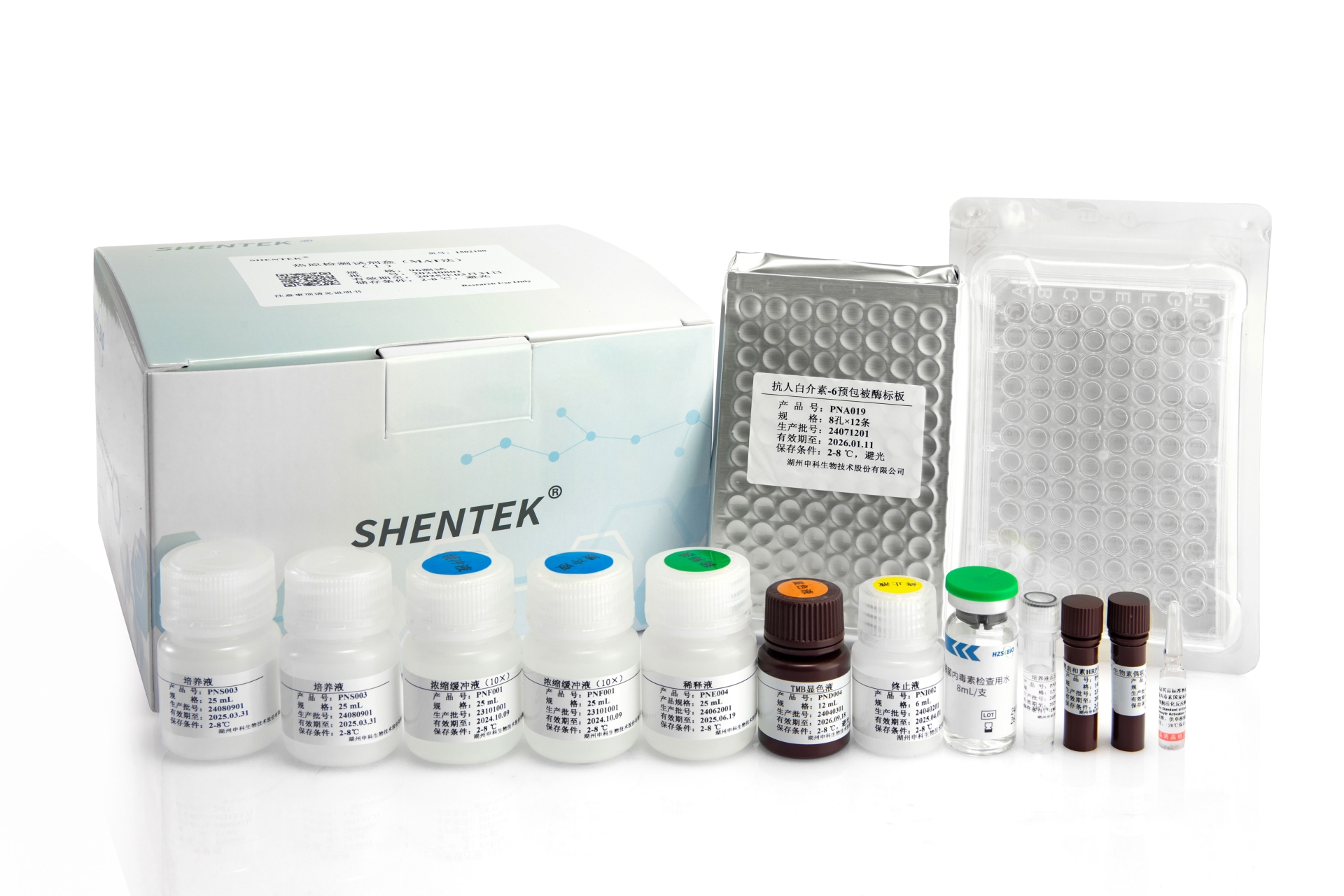
PyroSHENTEK Pyrogen Detection Kit (MAT Assay)
⓺ Open-Source Optimized Pre-Treatment Workflow
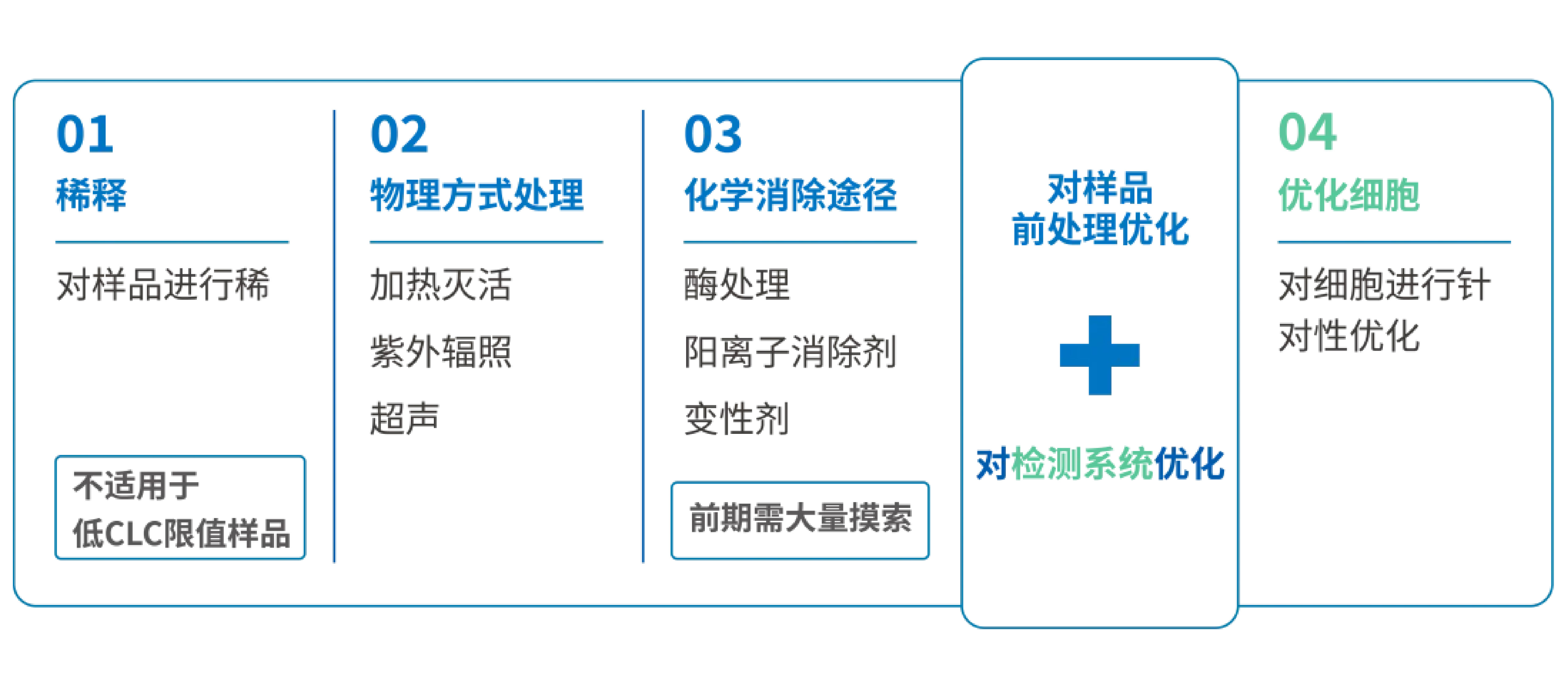
Built on the proprietary MAT testing platform, an innovative integrated pre-treatment optimization workflow has been developed to effectively reverse antibiotic-mediated LPS neutralization, enabling accurate detection of endotoxin signals, mitigating interference from antibiotic samples, and delivering robust, dependable testing results.
03 Application Case Study
(1) Background
Test article: Colistimethate sodium
CLC: 0.8 EU/mg
Limit of Detection (LOD): 0.0125 EU/mL
Maximum Valid Dilution (MVD): Exceeds 2500-fold
(2) Core Issue
Unqualified spike recovery rates during MAT testing.
(3) Solution Provided by Huzhou Shenke Biotechnology Co., Ltd.
Pre-treatment workflows were optimized using the HZSKBIOⓇ MAT Pre-Treatment Kit to eliminate the masking effect, delivering fundamental improvements to testing performance:
Spike recovery rates elevated from undetectable or far below 50% to a stable range of 70–110%;
Full method validation confirmed precision and accuracy fully compliant with European Pharmacopoeia requirements;
Pre-treatment procedures introduce no additional interferences and are fully compatible with downstream MAT analysis;
Final test CLC values < 0.8 EU/mg, meeting European Pharmacopoeia quality specifications.
Drug Name | Sample Batch | Dilution Factor | Absorbance CV (%) | Recalculated Concentration (EU/mg) | Recovery Rate (%) |
Colistimethate sodium | Batch 1 | <625 | 9 | <GLC | 76 |
<1250 | 9 | <GLC | 101 | ||
<2500 | 3 | <GLC | 100 | ||
Batch 2 | <625 | 26 | <GLC | 70 | |
<1250 | 11 | <GLC | 94 | ||
<2500 | 32 | <GLC | 96 | ||
Batch 3 | <625 | 18 | <GLC | 82 | |
<1250 | 11 | <GLC | 100 | ||
<2500 | 11 | <GLC | 110 |