Products
Host Cell Residue Detection
Process Impurity Assay
Advnetitious Agent/Microorganism Testing
Pyrogen / Endotoxin Detection
Genetic Stability
Cell Line Characterization
Viral Titer Assay
Detection Equipment
Biochemical Reagents

In the CMC (Chemistry, Manufacturing and Controls) field of biopharmaceuticals, residual detection of Host Cell Proteins (HCP) is always a core segment for process validation and release testing. As the gold-standard method, ELISA boasts advantages in sensitivity and throughput, yet analysts frequently encounter technical bottlenecks including insufficient specificity, dilution non-linearity and abnormal recovery during actual operation and sample testing.
These issues not only impair data reliability but also may lead to biased process decisions. This article dissects the causes of these three major pain points and delivers proven practical solutions.
01 Specificity Defects: When Antibodies "Misidentify" Targets
Specificity is the cornerstone of HCP ELISA. Non-specific binding of detection antibodies to the main product protein or formulation ingredients may occur, causing false positives; alternatively, insufficient antibody coverage—especially weak recognition of low-molecular-weight or acidic HCPs—will result in false negatives.
Systematic Solution 1: Antibody Specificity Validation
In the early stage of kit selection, appropriate methods shall be adopted to validate antibody specificity for applicability assessment. For customized services, characterization and screening of serum or antibody sources shall be conducted in early development to reduce the risk of development failure.
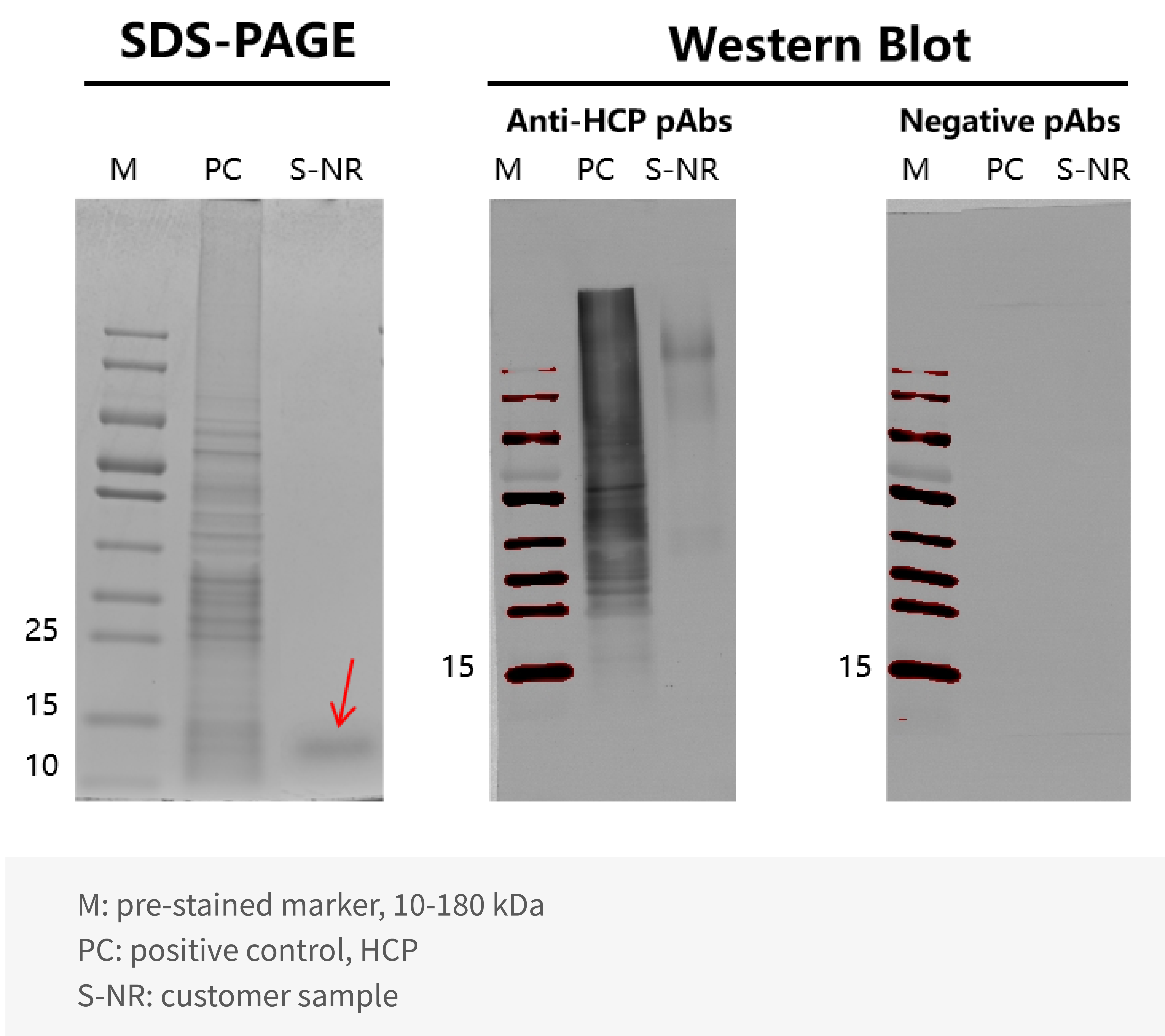
Huzhou Shenke Biotechnology Co., Ltd. (HZSKBIO®) provides antibody specificity analysis services based on customer samples during kit selection, laying a reliable foundation for method development.
Systematic Solution 2: Antibody Coverage Validation
Antibody coverage shall be evaluated via gel electrophoresis/immunoblotting (2D-PAGE/WB) or mass spectrometry identification (LC-MS/MS). For high-risk proteins reported in literature or related to process specificity, supplementary detection with orthogonal methods is recommended.
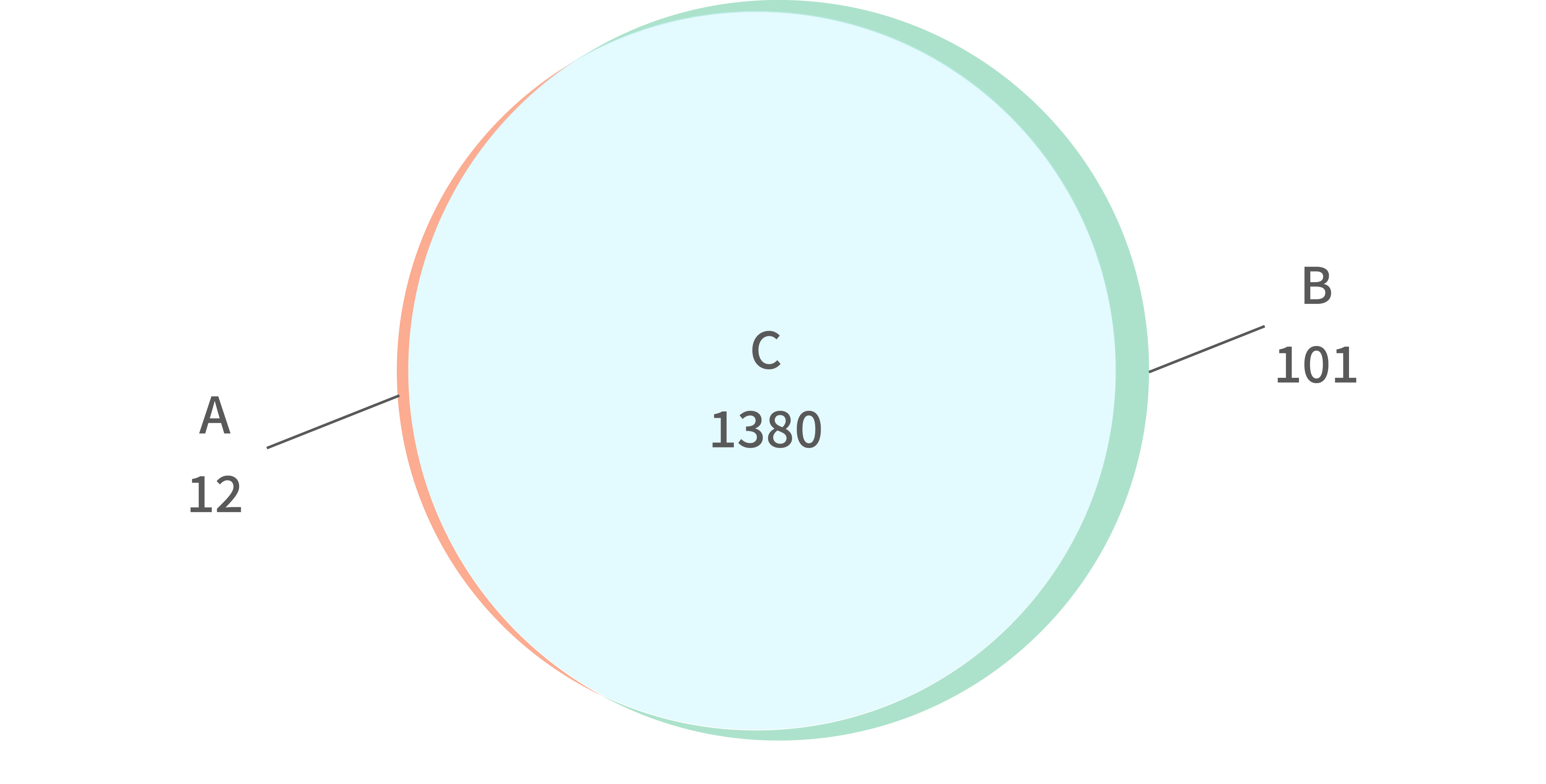
A: Identified proteins in Sample IMBS (12 + 1380) = 1392
B: Identified proteins in Sample HCP (101 + 1380) = 1481
C: Shared proteins identified in both samples = 1380
Antibody coverage = (12 + 1380) / (12 + 1380 + 101) × 100% = 93.2%
HZSKBIO® adopts the proprietary IMBS®-MS technology to provide customer sample-based antibody coverage analysis services, ensuring accurate and efficient kit selection.
02 Dilution Non-Linearity: The Trap of the Hook Effect
The calibration curve presents favorable linearity, but back-calculated concentrations of serially diluted test samples show systematic deviation (generally required to fall within 80%–120%). This is mostly caused by the Hook effect: excessively high HCP concentration leads to antigen excess, which blocks the formation of sandwich complexes and produces falsely low values. In practice, due to uneven HCP distribution, the Hook effect is usually triggered by individual proteins rather than all HCPs.
Practical Solution 1: Dilution Linearity Validation
Per regulatory requirements, determine the Minimum Dilution Factor (MRD) of the sample: add high-concentration HCP calibrators to the sample blank matrix, perform serial gradient dilution, and select the lowest MRD that meets the criteria. After MRD determination, all samples must be pre-diluted at least at the MRD to eliminate matrix effects.
DF | BackCalc. Conc. (ng/mL) | DF-corrected Conc. (ng/mL) | MRD (%) |
25 | 65.1 | 1627.5 | / |
50 | 39.3 | 1965.9 | 121% |
100 | 24.3 | 2430.2 | 124% |
200 | 16.6 | 3313.9 | 136% |
400 | 9.4 | 3744.3 | 113% |
800 | 5.1 | 4054.0 | 108% |
1600 | 2.6 | 4161.2 | 103% |
3200 | 1.3 | 4295.1 | 103% |
HZSKBIO® MRD validation example based on customer’s actual matrix. High-concentration HCP calibrators were spiked into the sample matrix, followed by gradient dilution per expected concentration. The results indicate that actual samples need to be diluted at least 400 times to meet dilution linearity requirements for methodological applicability. This result provides a reference for subsequent sample detection.
Practical Solution 2: Orthogonal Method Validation
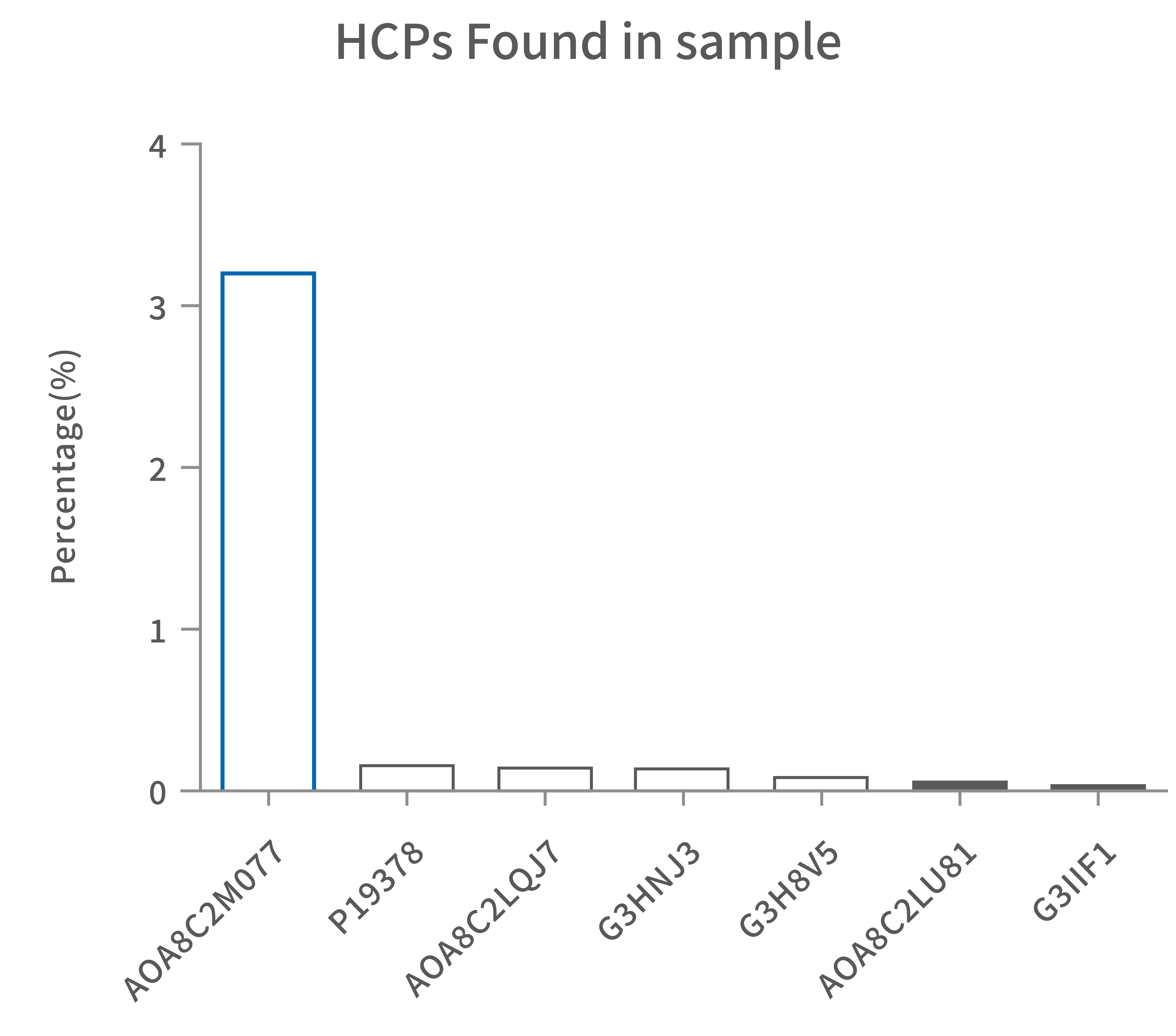
In the sample applicability phase, mass spectrometry and other tools are recommended to confirm the actual sample HCP profile and kit antibody coverage. If individual proteins show high content/abundance, process optimization or customized development of exclusive kits is advised.
Sample | Commercialized ELISA Kit | |||
DF | BackCalc.Conc. (ng/mL) | DF-corrected Conc. (ng/mL) | MRD (%) | |
20 | 85.5 | 1710.1 | / | |
40 | 50.3 | 2013.3 | 118% | |
80 | 32.2 | 2574 | 128% | |
160 | 19.7 | 3152.3 | 123% | |
Customized ELISA Kit | ||||
DF | BackCalc.Conc. (ng/mL) | DF-corrected Conc. (ng/mL) | MRD (%) | |
20 | 68.9 | 1377.3 | / | |
40 | 38.6 | 1543.6 | 112% | |
80 | 19.9 | 1592.8 | 103% | |
160 | 11.5 | 1834 | 115% | |
HZSKBIO® customized development example based on customer’s actual samplesA specific HCP accounted for a high proportion in the actual sample (excluding total protein), leading to poor dilution linearity of commercial kits. Through antibody customization services, eligible antibody combinations were screened to meet release testing requirements.
03 Abnormal Recovery: "Is It Really HCP?"
Spike recovery deviating from the acceptable range (usually 70%–130%) is a direct indicator of method applicability failure. The causes may include matrix interference or discrepancies in HCP profiles between calibrators and samples.
Precise Correction Solution 1: Dilution Buffer Screening
Dilution buffers in commercial kits are broad-spectrum options, which may not suit specific products such as purified in-process control samples, plasmids, insulin, etc. In such cases, after validating the sample matrix MRD, testing with the sample matrix as the dilution buffer is prioritized.
Sample | Commercial Dilution Buffer | |||||
DF | BackCalc. (ng/mL) | DF-corrected. (ng/mL) | MRD (%) | Spike. (ng/mL) | Recovery (%) | |
32 | 138.6 | 4436.0 | / | 4 | / | |
64 | 56.4 | 3609.5 | 81% | 297% | ||
128 | 21.8 | 2785.0 | 77% | 287% | ||
256 | 7.9 | 2010.6 | 72% | 218% | ||
Customized Dilution Buffer | ||||||
DF | BackCalc. (ng/mL) | DF-corrected. (ng/mL) | MRD (%) | Spike. (ng/mL) | Recovery (%) | |
32 | 6.0 | 190.4 | / | 4 | / | |
64 | 3.0 | 193.7 | 102% | 86% | ||
128 | 1.2 | 159.0 | 82% | 90% | ||
256 | <LLOQ | <LLOQ | / | 90% | ||
HZSKBIO® dilution buffer screening example based on customer’s actual samplesFor samples with abnormal recovery while meeting kit performance, using the sample matrix as the dilution buffer is recommended to quickly resolve methodological pain points.
Precise Correction Solution 2: Antigen Consistency Assessment and Establishment of Internal Reference Materials
In the early stage of kit selection, evaluate the matching degree between the actual sample HCP profile and the target kit HCP calibrator. If the difference is substantial, preparation of platform-specific HCP as an internal reference material is recommended. This reference material is consistent with the actual sample HCP profile and can significantly mitigate recovery deviation.
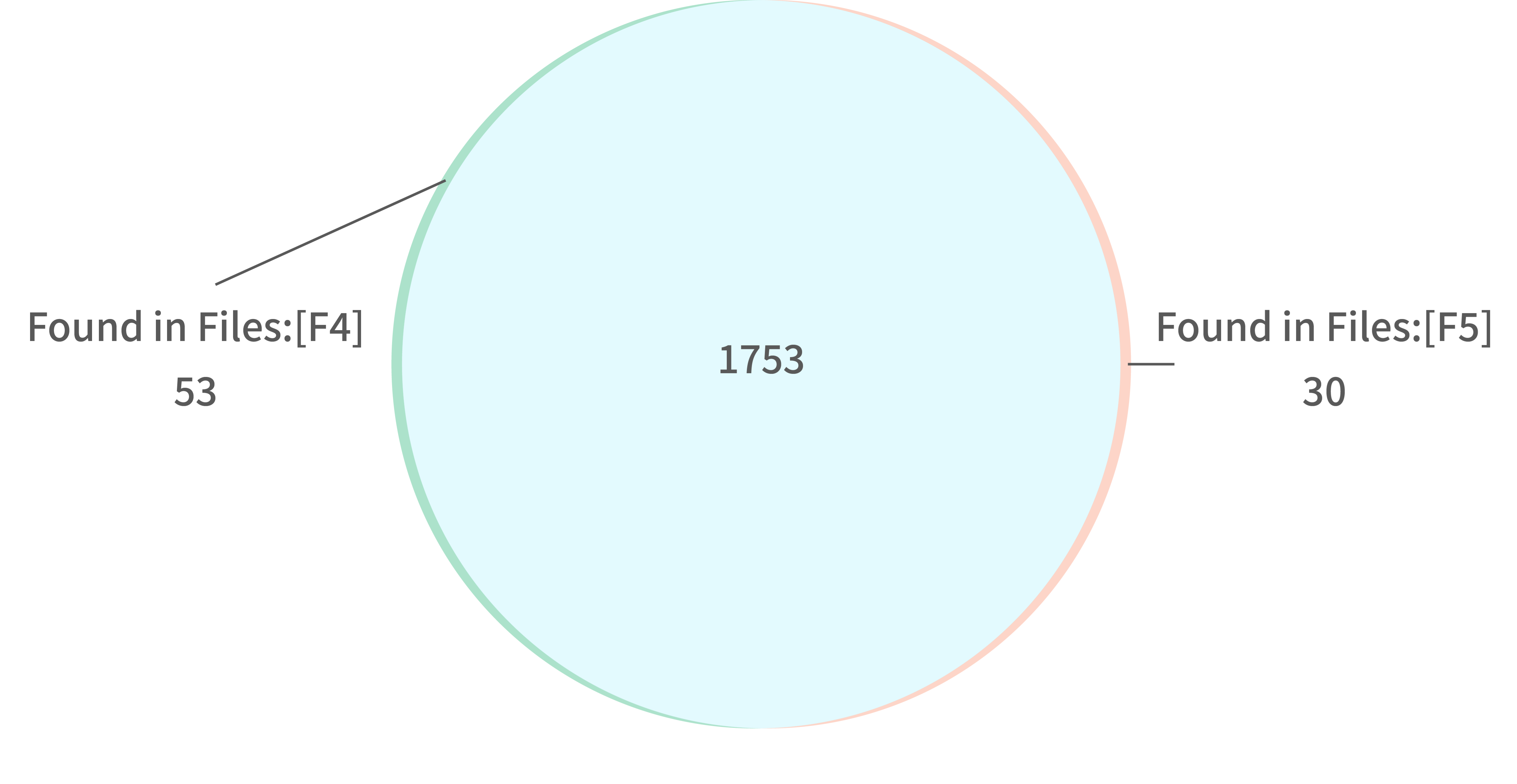
F4: HCP calibrator of HZSKBIO® CHO HCP detection kit
F5: Actual sample of a customer
HCP consistency = 1753 / 1836 × 100% = 95.5%
HZSKBIO® provides customer sample-based antigen consistency analysis services, effectively avoiding risks in method development.
Conclusion: From "Problem Response" to "Quality by Design"
Technical challenges in HCP ELISA essentially mirror the complexity of biological products. Instead of passively coping with abnormal data, a multi-platform HCP analysis strategy should be introduced early in process development: take ELISA as a high-throughput monitoring tool, supplement with the LC-MS/MS platform for identification and quantitative validation of high-risk HCPs, and establish a dual-platform system of "total HCP quantification by ELISA + specific HCP monitoring by MS". Amid increasingly stringent regulation, only by thoroughly understanding the limitations of the HCP ELISA method and controlling them via scientifically designed experimental protocols and rigorous validation strategies can HCP detection data truly serve product quality and patient safety.
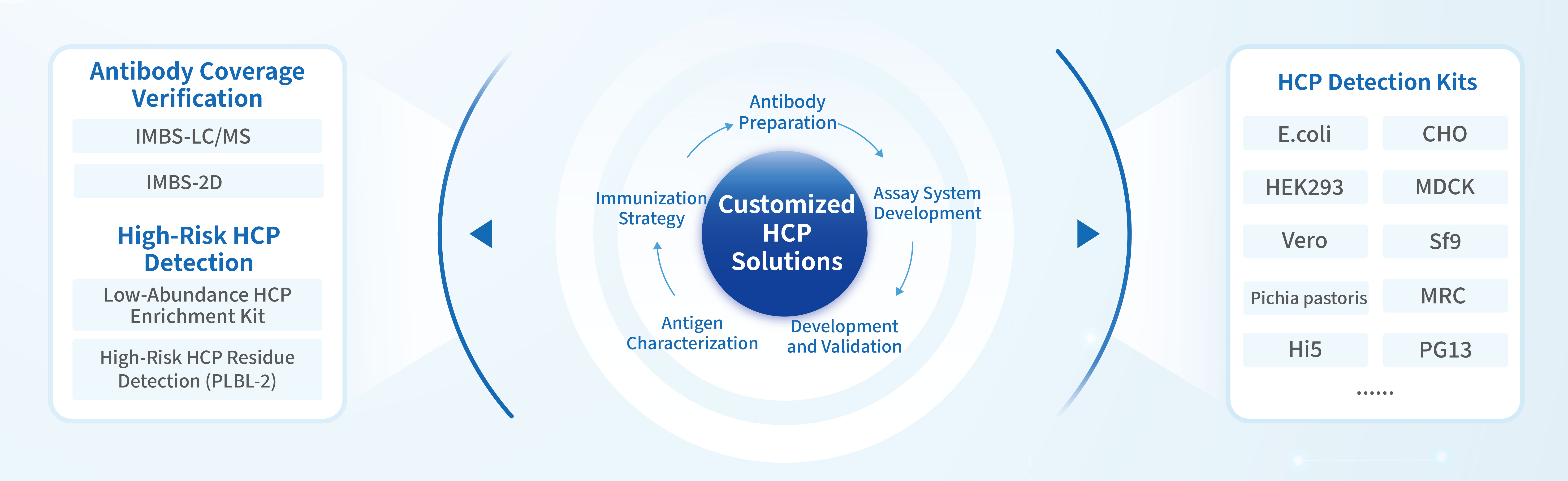
HZSKBIO® provides a full set of solutions and services for HCP detection, covering high-performance ELISA kits, antibody development, sample applicability validation, coverage validation, antigen consistency assessment, identification and quantification of high-risk proteins, and routine sample testing. We aim to deliver all-round support for biopharmaceutical customers from process development to quality control. Our products and services not only offer reliable quantitative analysis tools but also help customers optimize production processes, reduce risks and ensure regulatory compliance through customized services and validation support.