Products
Host Cell Residue Detection
Process Impurity Assay
Advnetitious Agent/Microorganism Testing
Pyrogen / Endotoxin Detection
Genetic Stability
Cell Line Characterization
Viral Titer Assay
Detection Equipment
Biochemical Reagents

In the quality control system of biopharmaceuticals, residual host cell protein (HCP) detection is one of the core links to ensure product safety. As the mainstream method in the industry, the selection and application of ELISA technology involve multiple considerations of technology, regulation, cost and other factors.
Based on authoritative guidelines such as USP <1132> and EP <2.6.34>, this paper systematically elaborates the advantages and limitations of ELISA for HCP detection, providing a reference for technical evaluation and planning for R&D and quality-related personnel.
01 Core Technical Advantages of ELISA for HCP Detection
Detection Sensitivity and Quantitation Capability
The Lower Limit of Quantitation (LLOQ) of ELISA generally reaches ng/mL. For example, for a typical product with a main protein concentration of 10 mg/mL, the sensitivity can be as low as 0.1 ng/mg (0.1 ppm). Compared with electrophoresis and liquid phase methods, it has significant advantages and can meet the strict release standards of biological products.
High Throughput and Low Cost
It supports large-scale sample detection with 96-well plates, and rapid and accurate sample detection can be realized with automated liquid handling workstations, with good data reproducibility. Compared with mass spectrometry (LC-MS/MS), the single detection cost is only 1/10 of that of LC-MS/MS, making it suitable as a routine method for process monitoring and batch release.
High Regulatory Recognition
✔ USP <1132> clearly defines sandwich ELISA as the gold standard for HCP detection;
✔ EP <2.6.34> lists it as a recommended method;
✔ ICH <Q6B> accepts fully validated ELISA data as the basis for release.
Good Dynamic Range Adaptability
Polyclonal antibodies (pAb) can recognize hundreds to thousands of HCPs, covering the whole-process residual HCP monitoring from bulk to finished product, and providing an overall perspective for the evaluation of process clearance capability.
02 In-Depth Analysis of Practical Limitations
Limitation 1: The detection value of HCP ELISA is essentially immunological equivalents rather than the true mass level
The essence of HCP ELISA detection is to reflect the relative content of HCP in samples through the signal intensity of antibody-antigen binding and with the help of HCP calibrators, rather than the actual mass concentration of HCP. Therefore, highly immunoreactive proteins in HCP (such as adjuvant-like HCPs) will produce strong signals even in trace amounts, while weakly immunoreactive proteins or uncovered HCPs may be completely missed. Regulations recommend cross-validation by orthogonal methods independent of HCP immunoreactivity to avoid blind spots of a single method, such as CE or LC-MS/MS, to assist in confirming the effectiveness of the ELISA method.
Table 1. Results from a generic commercial ELISA, a validated platform ELISA, and LC-MS analysis of seven drug substance GMP batches. The total HCP content is measured in parts per million (nanograms (ng) HCP per milligram (mg) drug substance)[1]
Total HCP amount(ppm,ng/mg) | |||
Batch ID | Generic commercial ELISA | Platform ELISA | LC-MS |
1 | 10 | 123 | 236 |
2 | 5 | 32 | 182 |
3 | 4 | 26 | 282 |
4 | 5 | 116 | 392 |
5 | 171 | 439 | |
6 | 229 | 352 | |
7 | 211 | 345 | |
The coverage degree of HCP antibodies directly determines the effectiveness of the method. For example, in the application of platform-based methods, their antibodies may fail to recognize the unique HCP profile generated by new processes.
When the production process of a product is changed from serum-containing culture to serum-free culture, the original platform-based antibodies have no recognition ability for newly added HCPs, which may lead to false-negative release.
Guidelines such as USP <1132> and EP <2.6.34> require demonstrating the antibody’s ability to recognize "the vast majority of HCPs", especially potentially high-risk HCPs. The actual literature-reported coverage is usually at the level of 60-70%.
For this reason, it is essential to enhance HCP antibody coverage and adopt reliable techniques to assess such coverage. Leveraging multiple antibody preparation strategies including antigen fractionation, Huzhou Shenke Biotechnology Co., Ltd. (HZSKBIO®) offers well-established commercial kits and custom development solutions. We generate antibody pools against HCPs of different categories and select the most universal antibody formulations, ensuring strong adaptability to diverse samples.
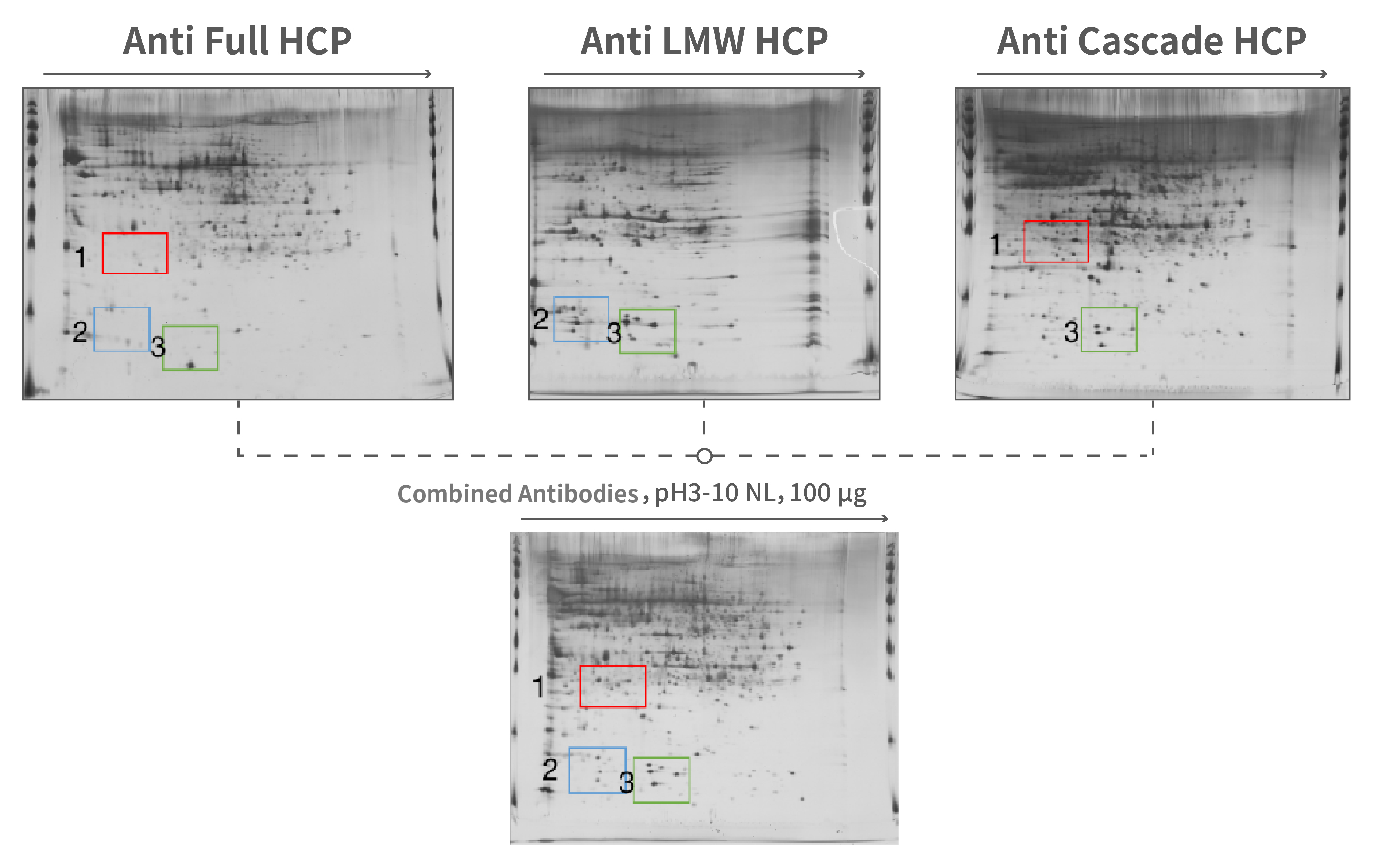
Figure 1. Case of HZSKBIO®: Coverage Performance of Antibody Pools with Multiple Strategies
Based on the risk management philosophy, the ability of HCP antibodies to truly recognize risk proteins in HCP is more important. Therefore, HZSKBIO® has established a mature magnetic bead-based antibody immunocapture and mass spectrometry analysis platform (IMBS-MS), which can fully characterize HCP antibodies and prove their ability to recognize high-risk HCPs. It has successfully served customers for domestic and overseas filings and met current regulatory requirements.
Limitation 3: Mismatch between HCP in calibrators and actual samples
Even with platform-based kits, their HCP calibrators are mostly derived from Null cells (cells without product genes), while HCP in actual samples is derived from Production cells (cells expressing the product). The HCP profiles of the two may differ due to different product expression pressure and metabolic load. EP <2.6.34> stipulates that calibrators must represent the intended production process, but in practice, they can only be as close as possible.
During the development of HZSKBIO® HCP ELISA, calibrators are based on extensive customer-specific samples with good broad-spectrum properties. Mass spectrometry confirms good consistency with customer samples, ensuring compliance with regulatory requirements and detection reliability.
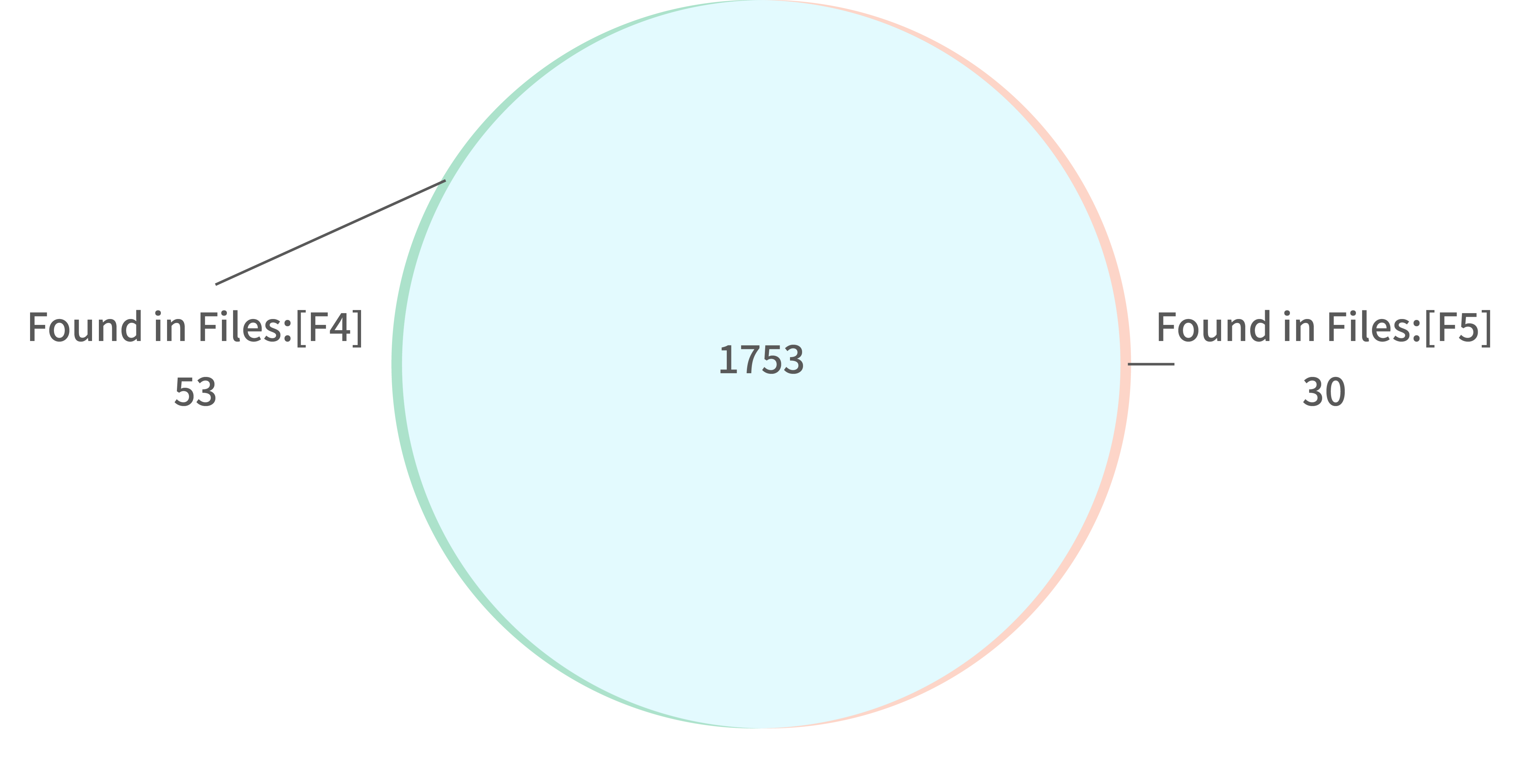
F4: HCP calibrator of HZSKBIO® CHO HCP detection kit
F5: A customer’s test sample
HCP consistency = 1753 / 1836 × 100% = 95.5%
Figure 2. Case of HZSKBIO®: Mass Spectrometry Comparative Analysis of Customer’s Actual Process Samples and Kit Calibrators
Limitation 4: Inability to identify individual HCPs
ELISA only provides total amount data, cannot identify the specific residual HCP species, nor evaluate the risk level of individual HCPs (such as immunogenicity and biological activity). Regulations recommend identifying HCPs by LC-MS/MS, especially for reported high-risk proteins (such as proteases and cytokine homologs), and carrying out targeted process optimization or key monitoring.
Relying on a validated LC-MS/MS platform, HZSKBIO® conducts in-depth characterization of abnormal HCPs for customer-specific samples, providing key scientific basis for kit selection and methodological validation.
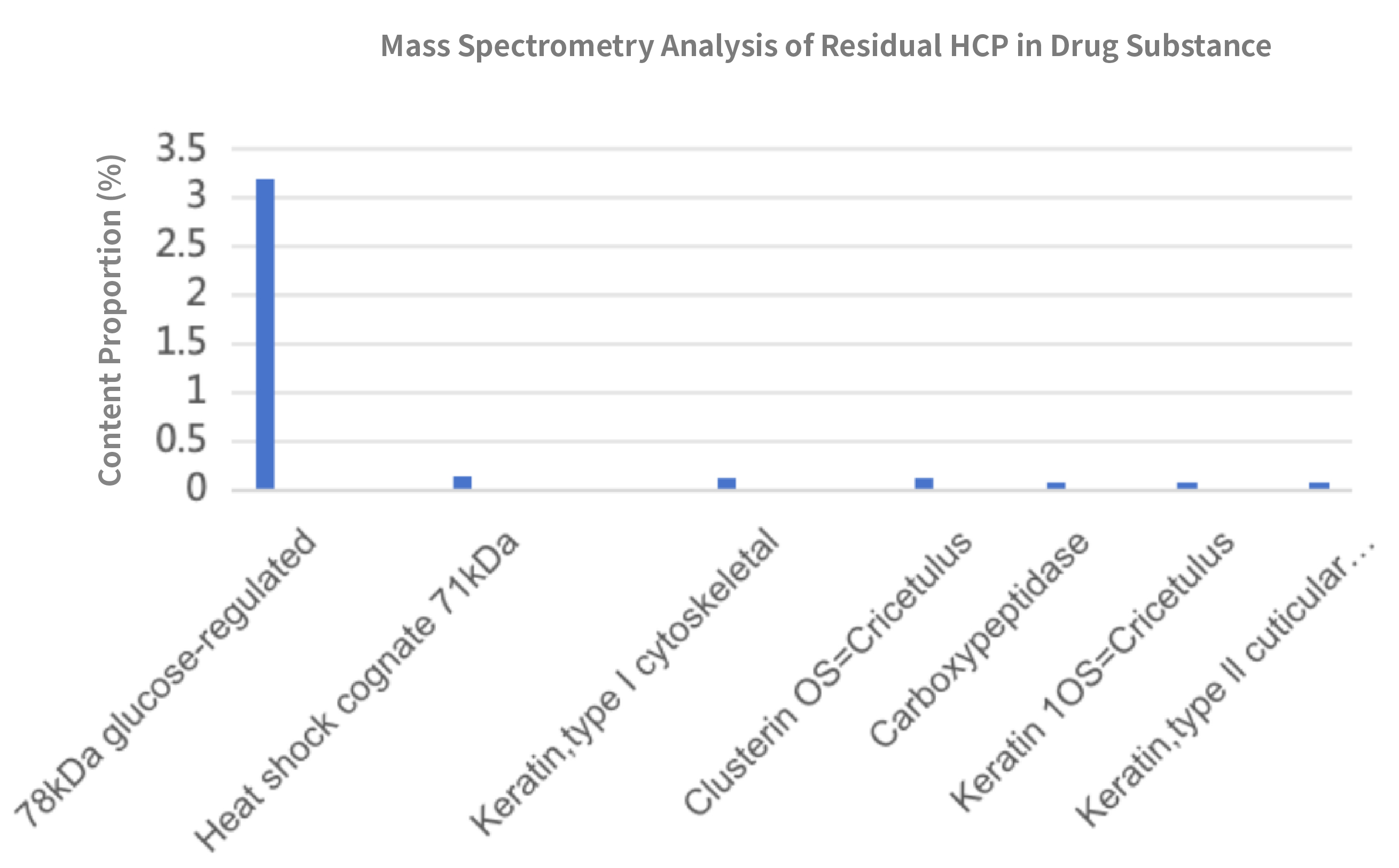
Figure 3. Case of HZSKBIO®: Identification and Quantitation of Residual HCPs in Customer’s Bulk Samples
Regulations require individual monitoring of residual high-risk proteins in bulk, with commonly used ELISA or mass spectrometry quantitation methods. Targeting recognized high-risk factors derived from CHO cells, HZSKBIO® has launched a series of products such as the CHO HCP High-Risk Protein PLBL-2 Detection Kit (1301315) for process control and release testing, fully meeting regulatory compliance requirements.
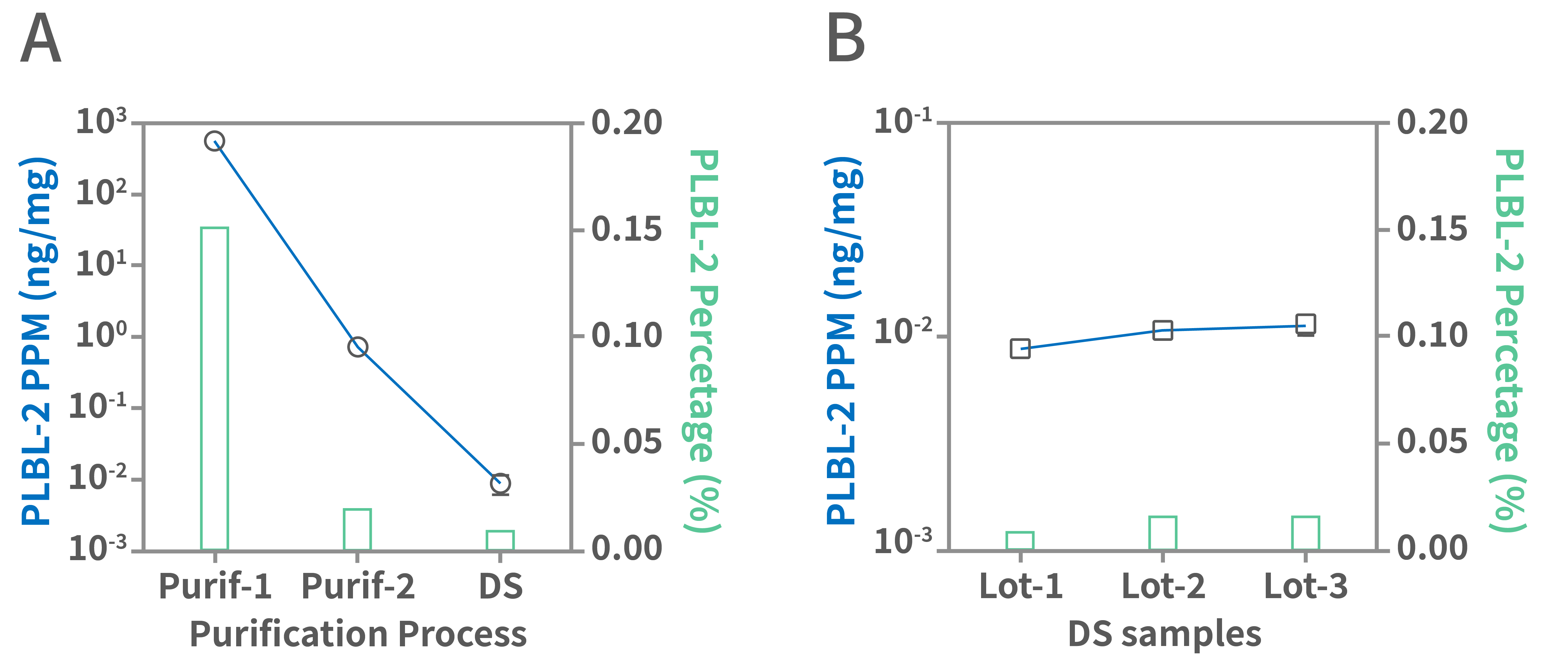
Figure 4. Case of HZSKBIO®: Detection Results of PLBL2 ELISA in Customer’s Process Samples and Multi-Batch Bulk Samples
Although ELISA remains the gold standard for HCP detection, it is not a perfect HCP detection method. Under current technical conditions, it is the optimal solution balancing sensitivity, throughput and cost. The key to its current application lies in facing its limitations, minimizing risks through rigorous methodological design, systematic validation strategies and continuous lifecycle management. Therefore, the current overall control strategy for HCP—the ELISA + LC-MS/MS dual-platform strategy—has become an industry trend, and early deployment and application are recommended.
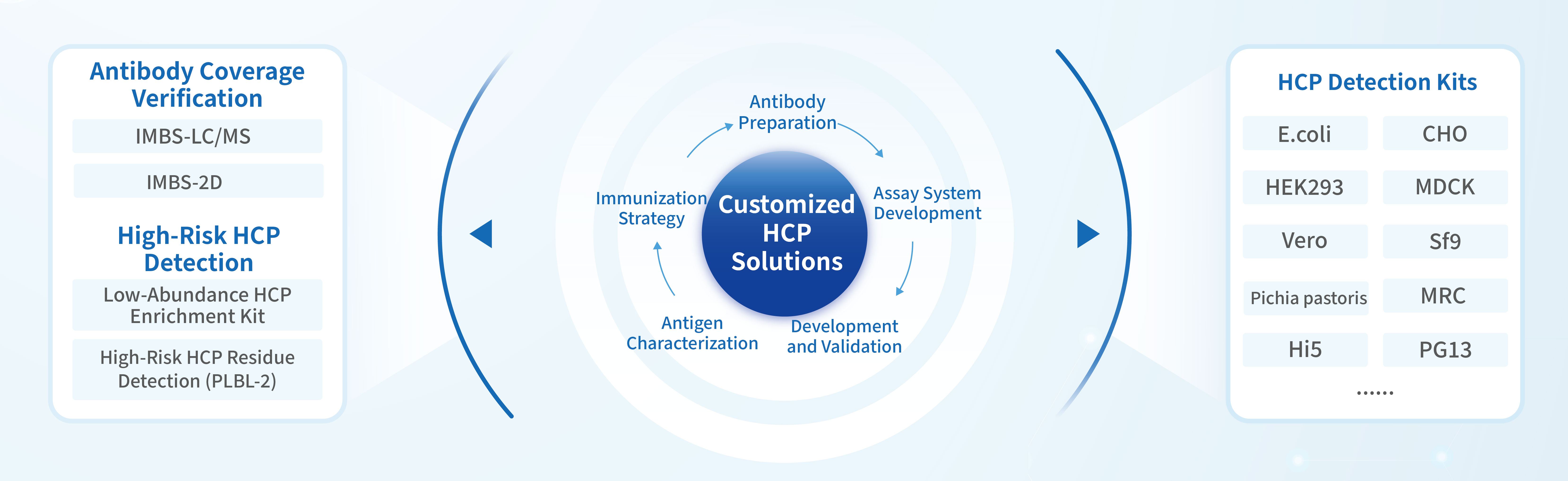
HZSKBIO® provides a complete set of solutions and services for HCP detection, covering high-performance ELISA kits, antibody development services, sample applicability validation, coverage validation, antigen consistency assessment, identification and quantitation of high-risk proteins, and routine sample testing. It aims to provide comprehensive support for biopharmaceutical customers from process development to quality control. Our products and services not only provide reliable quantitative analysis tools, but also help customers optimize production processes, reduce risks and ensure compliance with regulatory requirements through customized services and validation support.
References
[1] Monitoring process-related impurities in biologics-host cell protein analysis.